More Seats at the Table -
Increasing Representation in the Marine Sciences
A Diversity, Equity and Inclusion workshop hosted by SOOS Equity, Diversity and Inclusion (EDI) Group

Introduction
SOOS was one of the first Global Ocean Observing networks to convene a working group on Equity, Diversity and Inclusiveness (EDI) during the global unrest of 2020. The EDI Group co-chairs are ex-officio members of the SSC and are tasked with:
-
Identifying and implementing ways that SOOS can become more Equitable, Diverse and Inclusive, so as to make sure that we’re making the best use of scientific expertise and talent in understanding the Southern Ocean
-
Identify barriers to inclusion and, where possible, remove them
-
Generally, advise the SOOS EXCOM on EDI issues
In addition, the co-chairs represent SOOS on the SCAR EDI scoping task group, which is forming a standing advisory group on Equity, Inclusion and Diversity in 2022.
This year, one of our main activities was to host the UN Ocean Decade’s only EDI workshop for their September virtual conference, “A Predicted Ocean”. We responded to a call for satellite sessions and were able to draw on SOOS’s extensive network of Marine Science professionals to organize and convene two workshops. Our committee was comprised of graduate students, academic staff, and faculty from four continents. The “laboratories” were organized by the German Federal Ministry of Education and Research in partnership with the Intergovernmental Oceanographic Commission of UNESCO (IOC-UNESCO).
Our sessions were designed to canvas the international oceanographic community for ideas on how to identify non-traditional stakeholders with an intentionally diverse group of attendees by targeting individuals who identify as belonging to groups that are passively excluded from these activities. All axes of marginalization were used to identify these prospective attendees.
In addition, the organizers will provide EDI-focused feedback from these sessions to the UN Ocean Decade organizers.
The Workshops
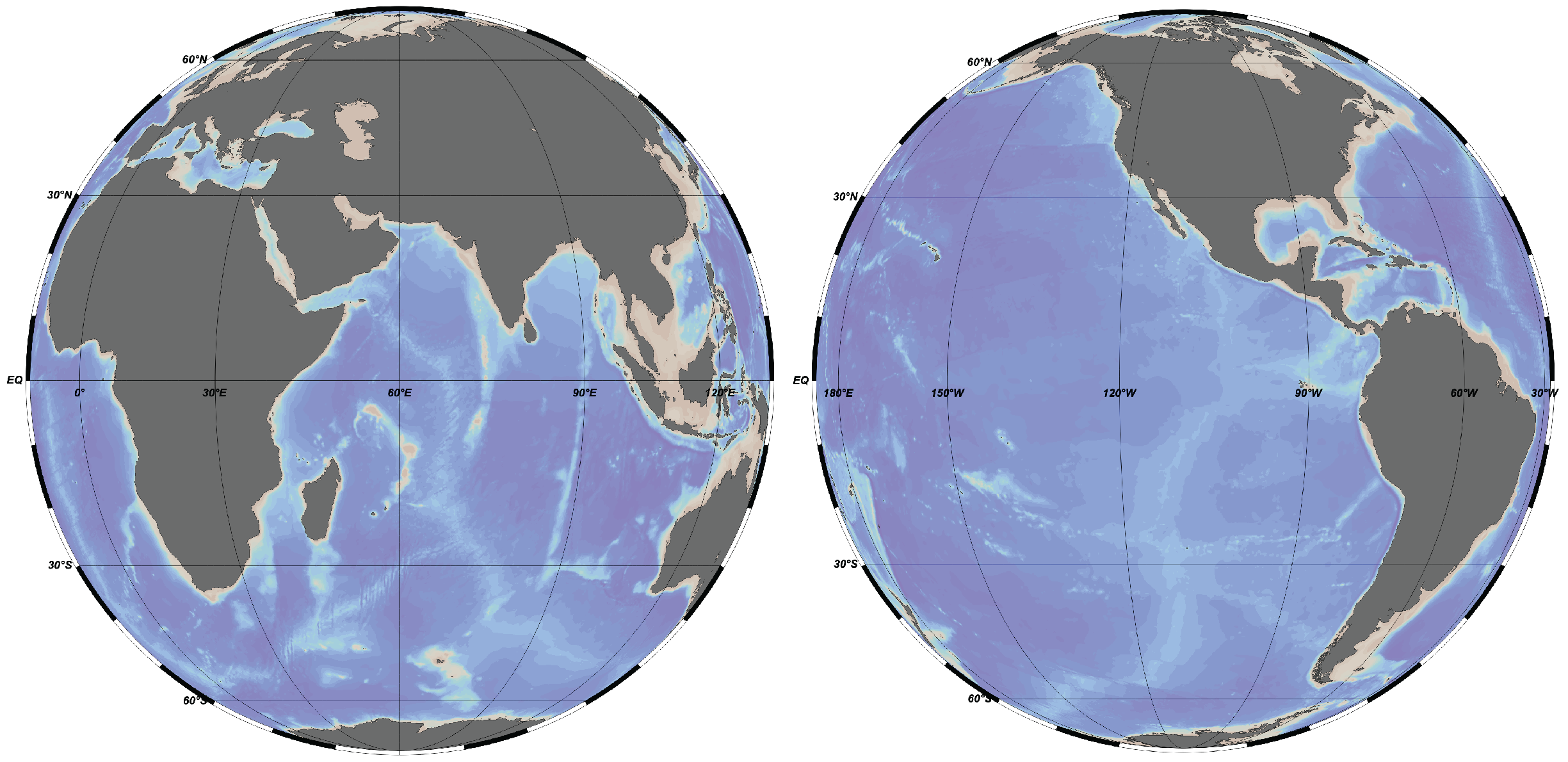
Two nearly identical sessions were held at times conducive to residents of both the Eastern and Western Hemispheres which allowed for registered attendance from nearly 60 individuals from five continents. Our workshops were organized as a series of progressively interactive small breakout sessions to encourage input from all participants.
The three breakouts in each session covered the following topics:
-
What is the “table” and who is there now? Who should be there?
-
A "Future/Present" thought experiment - looking back from the year 2030 and we have engaged a more diverse set of stakeholders, what did we do right?
-
Writing Exercise: Feedback to the UN Decade Organizers from an EDI perspective
While the goals of the workshops were relatively straightforward, the implementation was challenging due to the contested nature of what constitutes diversity and inclusion in each region, and our relative lack of expertise with qualitative evaluation. Nonetheless, each workshop addressed the origins of the current state but ended up spending the majority of the time appropriately focused on what could be done by 2030.
Our lively conversations covered topics including colonialism, data collection, resource allocation (funding), as well as holding meetings in the hosting country’s native language. The attendees were unexpectedly candid and proposed unique and constructive suggestions that would make the marine science enterprise more inclusive.
Workshop outputs include extensive group notes, and two confidential resources:
-
A full transcript of each conversation
-
A registration list for follow-up correspondence with the workshop attendees
Next Steps
Our organizing committee will meet this month to summarize our findings and report back to the UN Ocean Decade Leadership. We envision these workshops to be an ongoing effort, with similar follow-on workshops to be convened at future international meetings of opportunity in conjunction with SCAR, GOOS, and UNESCO.