
SOOS at COP 29

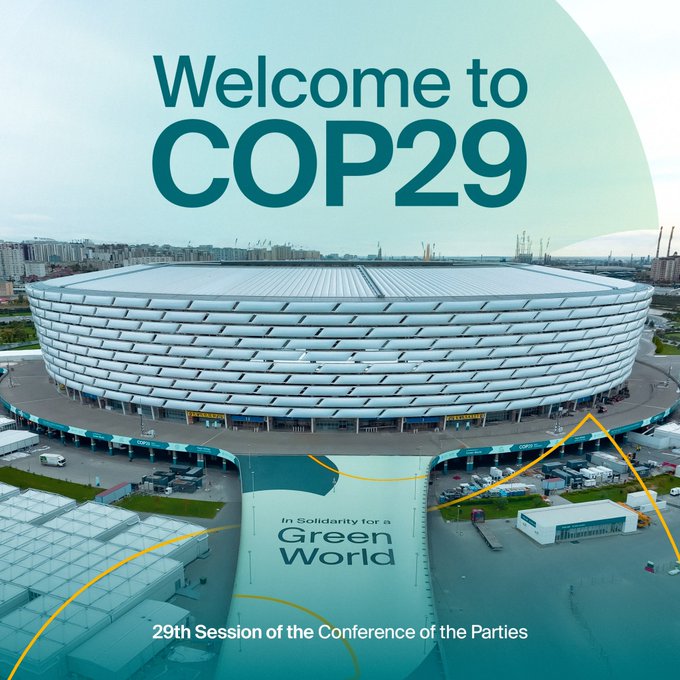
COP29, the 29th UN Climate Change Conference, is currently underway in Baku, Azerbaijan, from November 11 to 22, 2024. This conference brings together representatives from nearly 200 countries to tackle pressing climate issues, focusing on enhancing commitments to emissions reduction, funding for developing nations, and addressing loss and damage from climate impacts. Key themes this year include accelerating the transition from fossil fuels, especially through the phase-out of coal, and increasing climate finance to help vulnerable nations adapt to climate change and build resilience. The conference aims to foster a more inclusive approach, amplifying the voices of Indigenous communities and local stakeholders to ensure comprehensive and culturally-sensitive climate solutions.
The Southern Ocean is playing a vital role in the discussions at COP29, underscoring the need for comprehensive ocean-based climate action. This ocean, surrounding Antarctica, is one of the Earth's primary carbon sinks, absorbing significant amounts of atmospheric CO₂ and helping regulate global climate patterns. However, it is under threat from rising temperatures, ocean acidification, and ecosystem disruptions, all of which compromise its ability to act as a buffer against climate change.
SOOS is dedicated to enhancing data collection across physical, chemical, and biological parameters of the Southern Ocean, and promote collaboration beyond traditional boundaries. These efforts by SOOS aim to address knowledge gaps in Southern Ocean science, directly supporting global climate action initiatives. This comprehensive approach supports the analysis of essential climate variables such as sea-ice extent, heat transport, and ecosystem responses, which are vital for predicting and mitigating the impacts of climate change.
Find us at the following events:
-
Session "Antarctic Sea Ice at a Crossroads: Status Quo and Future Implications", Thursday, 1.00 pm (UTC+4), Cryosphere Pavilion, lead by SOOS WSDMLWorking Group Co-chair, Stefanie Arndt, and with a talk by SOOS Scientific Steering Committee member, Nicole Hill
- Since 2016, Antarctic sea ice has remained below the long-term average, with extreme lows in recent summers and winters. This rapid change is not entirely understood, and scientists have yet to attribute causality and identify the range of consequences. This expert briefing will address the current state of Antarctic sea ice, its global climate and ecosystem impacts, their implications in recent climate projections, and open dialogue with policy and other stakeholders.
-
Session "Vanishing Sea Ice, Changing Oceans: Why It Matters for Climate, Marine Ecosystems, and People", Thursday, 10:30 am (UTC+4), Ocean Pavilion, with contributions by SOOS Co-chair, Sian Henley, and SOOS WSDML Working Group Co-chair, Stefanie Arndt
- As sea ice rapidly diminishes in polar oceans, its profound impact on ocean health, biodiversity, and climate regulation becomes a pressing global issue. This panel brings together sea-ice scientists from different fields to discuss the critical role of sea ice in driving ocean circulation, supporting marine ecosystems and people, and sequestering carbon. Attendees will explore the far-reaching consequences of ice loss on ocean life, and its cascading effects on the global climate system. The session aims to provide accessible insights into the significance of safeguarding sea ice, offering decision-makers working to build climate resilience essential information. This discussion seeks to inspire urgent collaboration to protect the ocean and secure a stable climate future by highlighting key research gaps and offering actionable policy recommendations.
-
Session "Polar Oceans: the Triple Threat of Acidification, Warming and Freshening", Friday, 11:30 am (UTC+4), Cryosphere Pavilion, SOOS Executive Officer, Alyce Hancock, joins as panellist and presenter of the SOOS/GOA-ON Southern Ocean Regional Hub
- The Arctic and Southern Oceans are crucial components of the Earth system. Their unique ecosystems are under serious threat from warming, acidification, freshening and ice loss. Polar oceans already experience changes in chemistry, and continued warming is leading to range shifts, changes in food webs, ecosystems, fisheries, and climate regulation. This session highlights the latest scientific and discusses the wider societal and political impacts, while emphasising the need to raise ambition for reducing emissions
Livestream: https://www.youtube.com/@iccinet