
OSD CWG Welcomes New ECR Rep & Leadership Members

The Observing System Design (OSD) Capability Working Group (CWG) welcomes three new members to its leadership team: Lauren Hoffman, Andreas Klockner, and Jacquelyn “Jackie” Veatch. Together, they bring complementary expertise in machine learning, physical oceanography, observing systems, and Southern Ocean processes, strengthening the group’s capacity to explore how observations can best support our understanding of a changing Southern Ocean.
Jackie will also serve as the OSD CWG’s APECS Early Career Researcher (ECR) Representative, bringing an important ECR perspective to the group’s work.
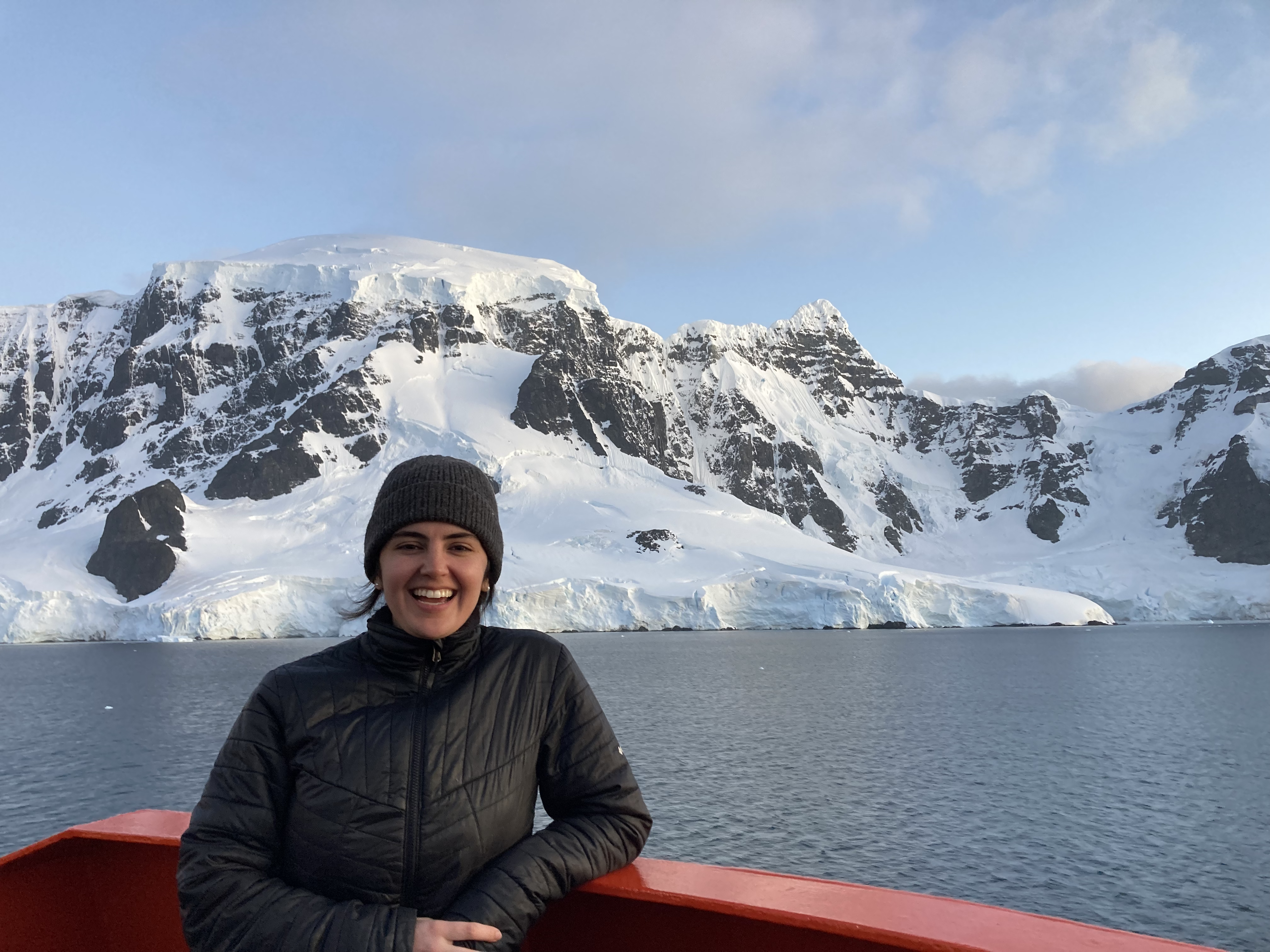
Jacquelyn "Jackie" Veatch is an NSF Postdoctoral Research Fellow at Woods Hole Oceanographic Institution where she studies how dynamics within Antarctic Circumpolar Current fronts initiate episodic biological production and subduct organic material below the surface.
Her research broadly focuses on how moving water organizes life in the ocean, from plankton to whales and many steps in between. Her work spans coastal and open-ocean systems and draws on a range of ocean observing techniques, including AUVs, coastal radars, satellite remote sensing, and active acoustics. Jackie first became involved with SOOS when she attended the inaugural SOOS Symposium 2023 and is very much looking forward to representing APECS in the Observing System Design Capability Working Group.
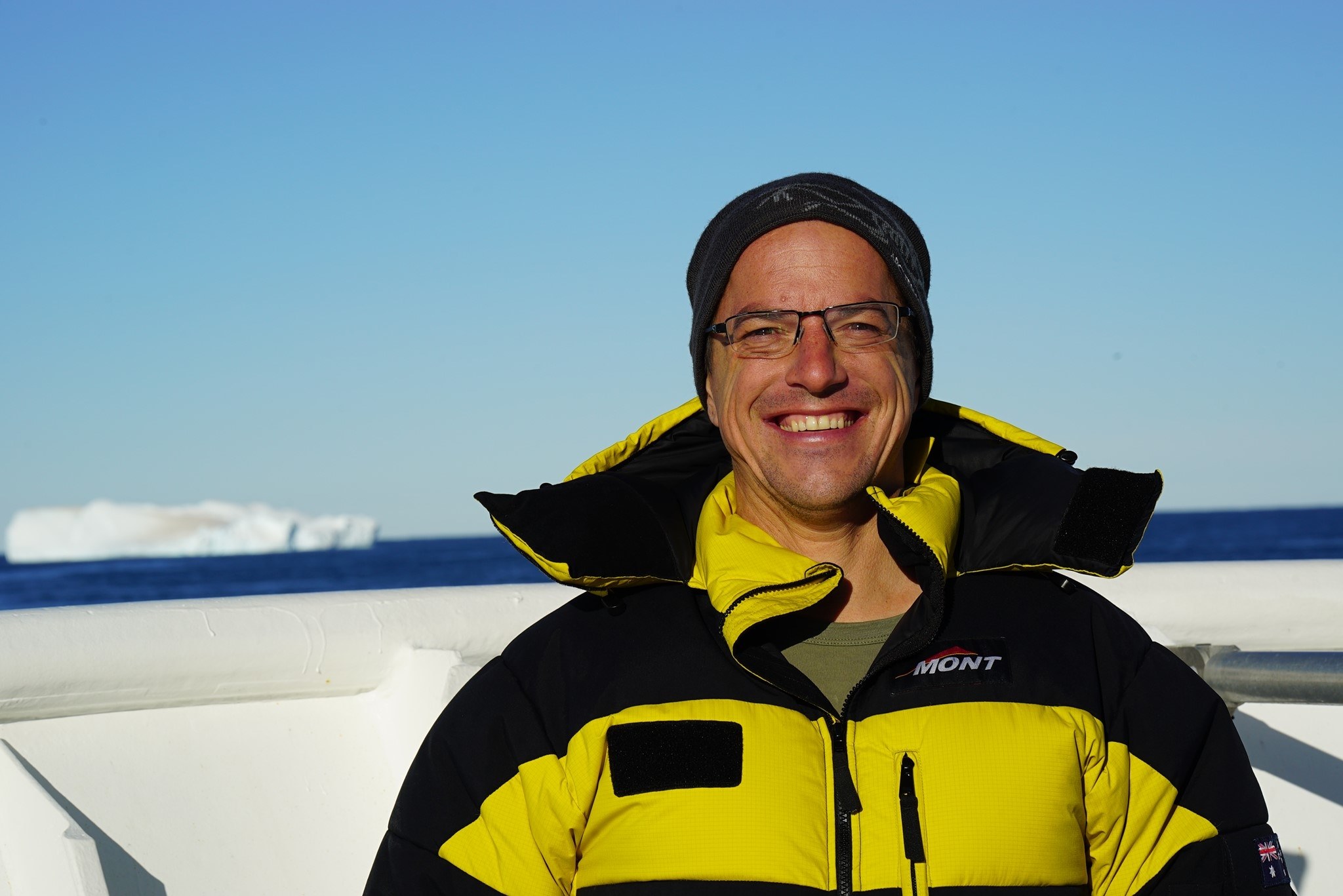
Andreas Klocker is a senior researcher at NORCE Research AS and the Bjerknes Centre for Climate Research in sunny Bergen, Norway. He is a physical oceanographer focusing on polar ocean and ocean overturning dynamics, with a particular interest in the Southern Ocean. What sets his work apart is the combination of modelling and observations using a hierarchy of ocean models, from Large Eddy Simulations to large-scale eddying ocean models, and spending time at sea collecting observations. Bringing these two perspectives together is shaping his approach to observing system design, and he is excited to help build observing systems that best capture Southern Ocean processes.
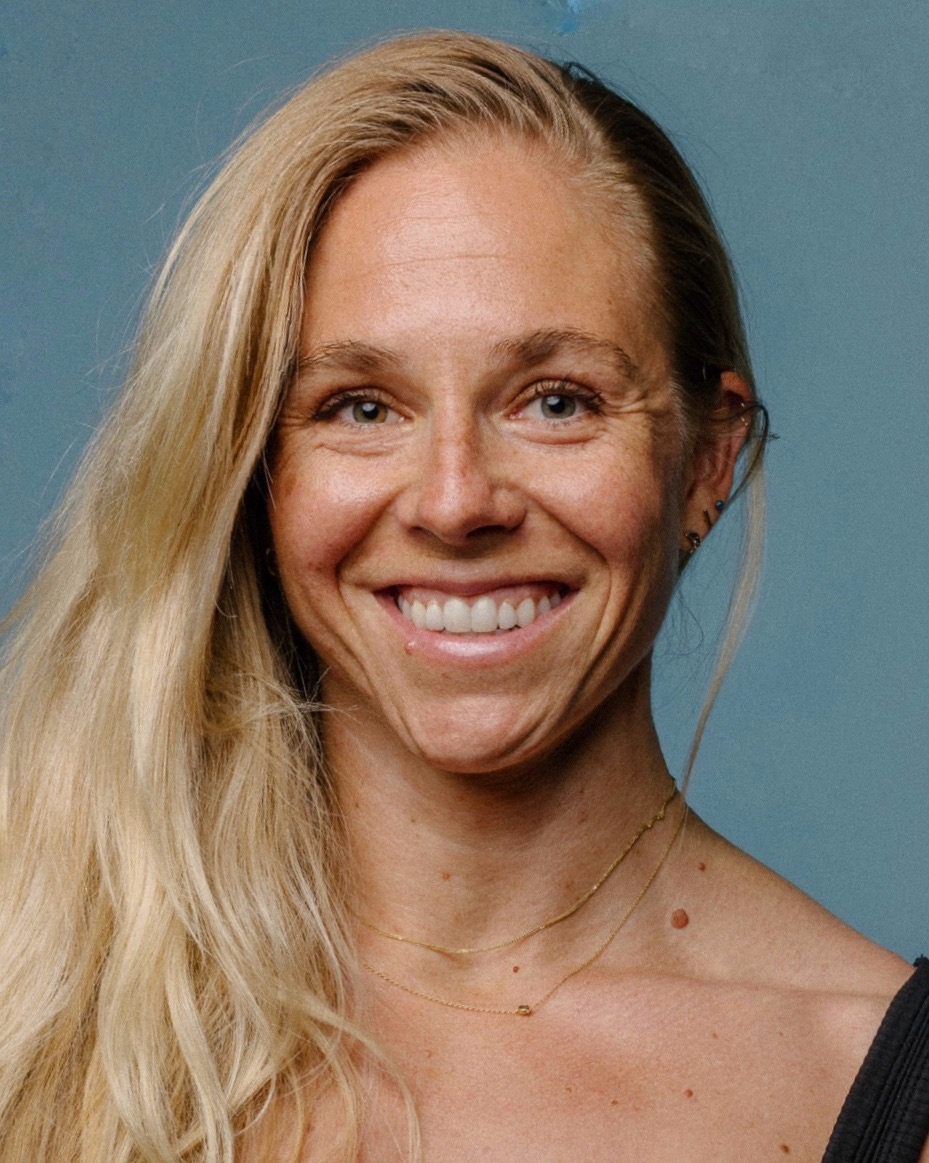
Lauren Hoffman is a postdoctoral researcher at UC Santa Cruz whose research lies at the intersection of machine learning, polar science, and physical oceanography. Her interests include sea-ice predictability across timescales, explainable AI, and the upper-ocean processes that shape ocean variability and air-sea-ice interactions. Her current research examines ocean fronts and submesoscale dynamics, with a growing focus on their relevance to the Southern Ocean and sea-ice environment.
Lauren is particularly interested in how machine learning can complement traditional observing system design methods and help connect predictive and physical understanding with observational priorities. She co-leads OAISIS, an Antarctica InSync working group that brings together observational scientists and machine learning researchers to explore AI-enabled approaches to Southern Ocean sea-ice observing system design.
News article 7/October/2026/JB