
SOOS Welcomes New EXCOM and SSC Members

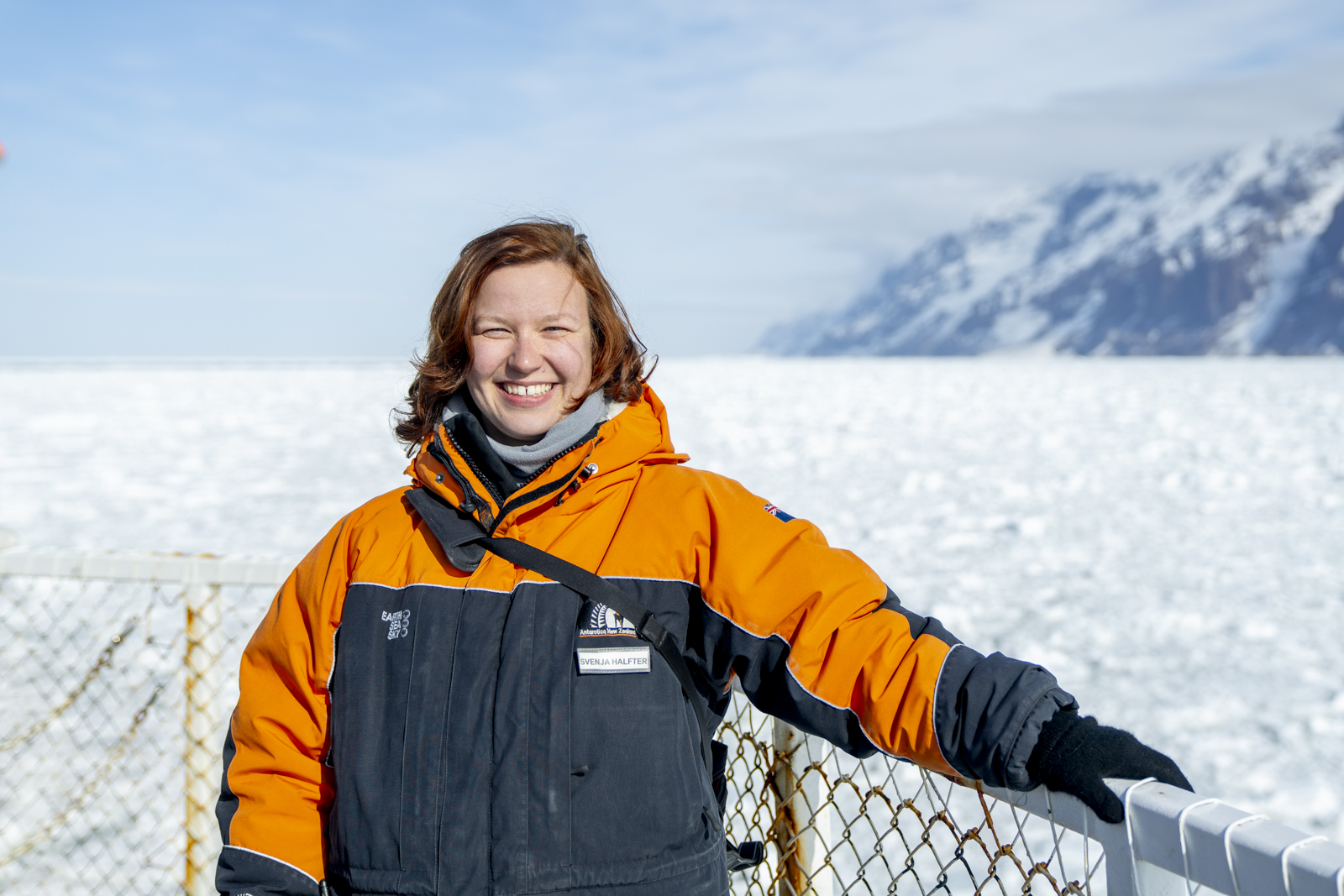
SOOS is pleased to welcome Svenja Halfter to the Executive Committee (EXCOM), where she will join Co-Chairs Wolfgang Rack and Andrew Meier, and Vice-Chair Sarat Chandra Tripathy.
We would also like to extend our sincere thanks to outgoing SOOS Co-Chair Irene Schloss for her service and valuable contribution to SOOS.
The SOOS Scientific Steering Committee (SSC) will also welcome Natalia Venturini, bringing new perspectives and expertise to the committee as SOOS continues to strengthen coordination across the Southern Ocean observing community.
We look forward to working with our new committee members and thank everyone who contributes their time and expertise to supporting the SOOS community.
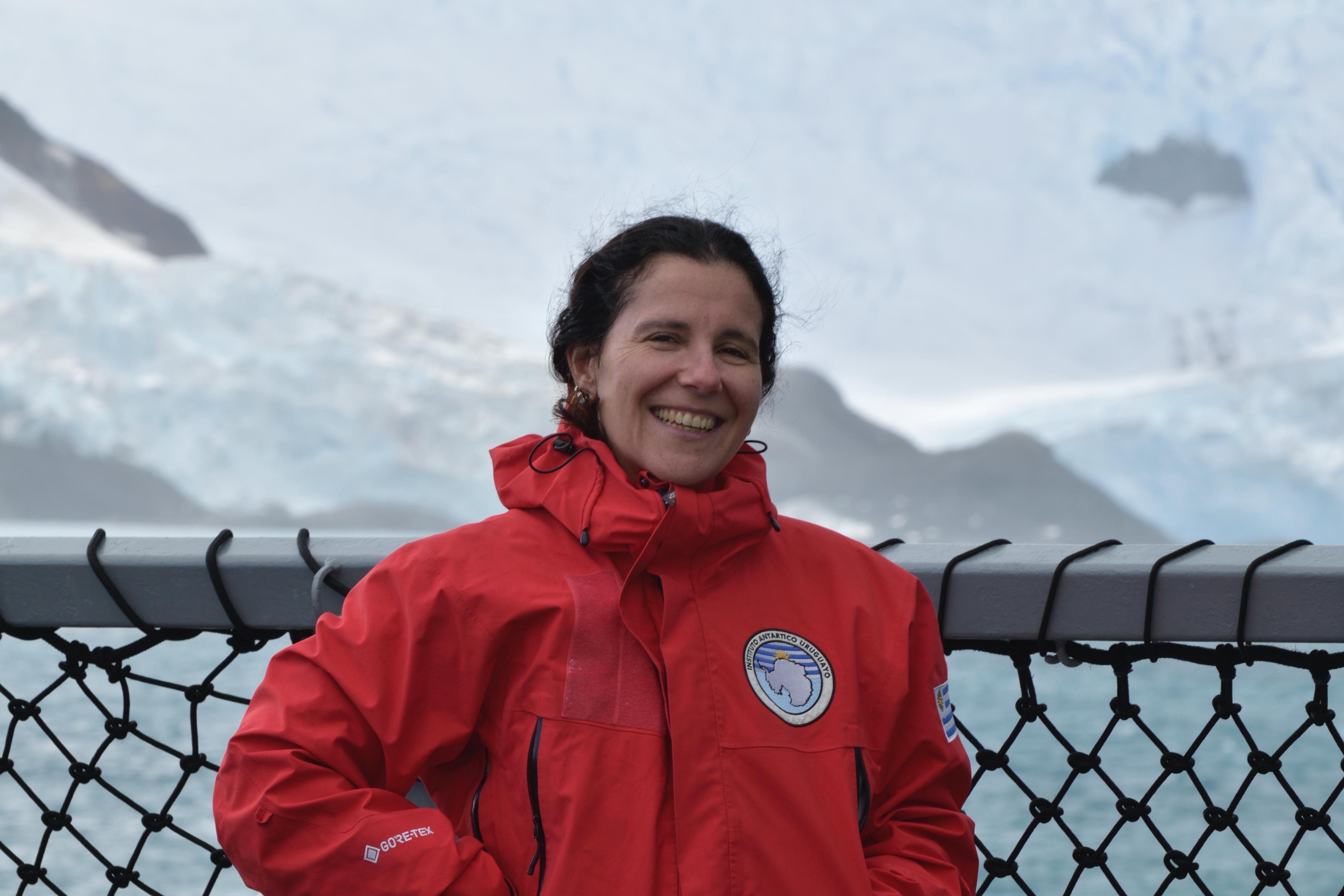
Dr. Natalia Venturini is a full tenured Associate Professor in the Laboratory of Marine Biogeochemistry (LABIM), Section of Oceanography and Marine Ecology, Institute of Ecology and Environmental Sciences, Faculty of Sciences, Universidad de la República (Montevideo, Uruguay), and has held this academic role at senior level since 2016, advancing to Grade 4/5 in 2025.
Her academic training includes a degree in Biological Sciences from Uruguay, as well as a Master’s degree, PhD, and postdoctoral training in Biological and Chemical Oceanography at the University of São Paulo, Brazil.
Natalia’s research spans oceanography, benthic ecology, marine biogeochemistry, marine pollution, and Antarctic oceanography, and she has produced more than 50 peer-reviewed articles, co-edited two books, authored or co-authored 14 book chapters, and delivered more than 100 presentations at scientific events. She has participated in 35 research projects since 1995 and has maintained a strong record of teaching, supervision, peer review, and scientific service.
She has been a researcher in the Uruguayan Antarctic Programme since 2015, and her recent work includes studies on Antarctic fjords, particulate organic carbon, suspended organic matter biochemistry, and the biogeochemical and oceanographic effects of glacial meltwater and glacial retreat. These contributions are priorities at the interface of biogeochemistry, ecosystem function, and climate-driven environmental change.
She has been a member of Uruguay’s National Research Board (SNI-ANII) since 2008, served on the SCAR National Committee of Uruguay from 2018 to 2024, was Vice-President of SCAR-Uy from 2019 to 2024, and has represented Uruguay in the SCAR International Geosciences Scientific Group. In addition, she has advised scientific projects and scholarships in Uruguay and internationally, served on thesis committees across Uruguay, Brazil, and Argentina, and undertaken numerous academic management and outreach activities.
News article 29/Oct/2026/JB